

Fixing a Stuck uPVC Window Handle
If the window handle moves but the window doesn't open then there are a number of reasons why. One possibility is that the gasket requires replacing.
Another possibility is that the shoot bolt (espag or espagnolette) and roller cams are been seized or jammed.
Insert an instrument in the gap between the frame and the window, past the area where the shoot bolt is likely be. The tool should hook the roller cam of the shoot bolt.
The gearbox
If the handle is moving but the window isn't opening, it could mean the lock is jammed or out of alignment. In these situations it is typically recommended to seek expert advice from an expert local uPVC specialist.
UPVC windows are constructed with a series of moving parts, such as sliding tracks, gearbox actuators (locking mechanisms) and shoot bolts which allow the window to be shut and opened. These components are susceptible to damage or malfunctioning, rendering it impossible to move windows. In some instances, they can even cause irreparable harm to the entire system.
It is possible to repair damaged uPVC window handle, however it is a task that is best left to professionals. The procedure involves removing the bolts that shoot and then taking off the handles, gearbox actuators and other moving parts of the window. This is a time-consuming and labor intensive job that can be difficult for homeowners to undertake on their own.
The most significant issue with uPVC windows is that they can easily be out of alignment due to temperature fluctuations or foundational shifting within the building. This can cause the frame to bend, resulting in an uPVC handle that is not able to operate.
One of the most frequent causes of this is the shoot bolts being cut too short during the time the uPVC window was manufactured. If the bolts on the shoot have been cut too short it could be difficult to close the window because they leap out of their housings once the handle is squeezed down.
If the bolt for the shoot is cut too short it could be difficult to insert into the espag, which could cause it to break or get stuck in a closed position. It's not hard to replace an espag however, determining the correct size can be a challenge. Manufacturers update their specifications frequently.
It is worth mentioning that it is never wise to try to force open a window because this could tear the gasket and cause an air draught in the room. The best method is to jiggle the handle around the lock points, and once you feel the locking point moving, it can be recommended to give the shootbolt a tap using an hammer to aid it to release.
The shootbolt
If the window handle isn't opening, it's likely that the shoot bolt is either broken or misaligned. The shoot bolt is a steel rod that secures the uPVC window frame. It can be locked or unlocked using the handle mechanism. The shoot bolt is affixed to the lock gearbox and both are joined by screws.
If you try to open the window by turning it and it becomes stuck, you can try pulling the screws out to separate the gearbox from the shoot bolts however, be careful not to harm the frame or the handle. It's also an excellent idea to put some newspaper or cardboard between the windows and the tools to ensure that it's not scratched whilst you're trying to remove them.
There are a range of different handles and locks available for uPVC windows. Multi-point locks are the most popular one, featuring a shootbolt rod as well as a lock gearbox. They offer the most security for your home. There are tilt and turn handles that work differently using a knob that is pushed across a wedge block on the inside of the window. Other kinds of handles include cockspurs as well as finger bolts that provide high security but don't require rods.
If the bolts that shoot windows aren't damaged or misaligned, they are probably obstructed by something that is stuck under the window frame (such as dirt or a loose screw). This can be easily removed by gently pressing the window to move it up. RepairMyWindowsAndDoors should trigger the pin of the shoot bolt to slide across and then release the keep, allowing you to open the window.
You will need to replace the entire mechanism if both bolts are jammed, or if the locking bar/espagnolette has broken. It's possible, but it isn't easy to access the frame and the sash to take the mechanism off. Visit a uPVC shop to have the sash removed and the broken mechanism taken out and the sash replaced. This is a fraction of the cost of a new window!
The gasket
A window's gasket is a vital component of the sealing system and assists in preventing cold and draughty air from entering your home. A worn-out or loose gasket could be the cause of your uPVC handle being stuck in closed position. This is a simple fix. Remove the handle and then cut the gasket using the aid of a knife.
Examine the handle for any cracks or damage. If the gasket has cracked or is damaged, it needs to be replaced. After replacing the gasket your window should be able to shut and open normally.
A misaligned locking mechanism can be a common cause of a window that won't open. If the handle moves but the lock does not engage, tighten the screws or apply a lubricant to lubricate the cylinder of the lock.
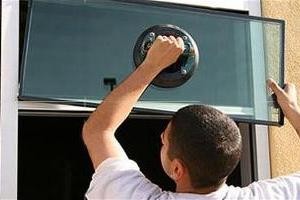
If you've tried everything but still can't open your windows made of uPVC, it's recommended to seek out a reputable local double glazing repair company for assistance. If the issue is more serious then a professional will need to dismantle the entire mechanism and inspect it for any potential issues.
UPVC windows are an excellent option for your home, however they can experience some problems over time. Fortunately, the majority of these problems can be solved on your own without the need for any professional assistance. If you follow these simple steps and follow these steps, you can keep your uPVC windows operating properly for years to come. With regular maintenance you can extend their life by a decade or more!
The Cockspur
If your window handle is stuck in the closed position, you can use a screwdriver to take it off. The screwdriver must be the same size as the screws that are at the base of the handle. The screwdriver must be sufficient in length to reach the back of the handle and remove any screw caps. After you remove the handle that was previously used, you can replace with a new handle. It is essential to replace the screw covers and ensure that they are secure, otherwise they might not be capable of holding the new handle securely.
It is possible to change a uPVC handle in only five minutes. However, it's essential to make sure you know the type of handle and its location within the window frame. This will help you choose the appropriate replacement handle and then install them correctly. It is important to determine the spindle model on the handle. This is the metal shaft that connects the handle with the window frame lock.
There are many kinds of handles that are suitable for uPVC windows which include Espag handles and cockspur handles. The most commonly used handles are Espag handles, which are found on newer uPVC window models. They are secured with two bolts, and they feature an articulating spindle that connects the handle with the lock mechanism within the window frame. Cockspur handles are typically found on older uPVC windows, but don't have internal locking mechanisms. The handle's front closes over an elongated block to close the window. Tilt and turn handle allows the handle to rotate 90 degrees so that the window can be opened or closed.
The cockspur Hawthorn is native of the Midwest with white spring flowers and persistent fruit that persists through fall and winter. This species is grown for its attractive foliage and hardiness however, it should be planted with caution as it has thorns that grow long. It is a great addition to the urban landscape as a street tree. It is loved by bird-watchers due to its orange-colored fruit.